
New Horizons Dental
Dentures in Port Douglas
Fully accredited and locally owned, New Horizons Dental provides reliable, professional care with a clear focus on patient wellbeing.
Tooth Replacement
Port Douglas Dentures
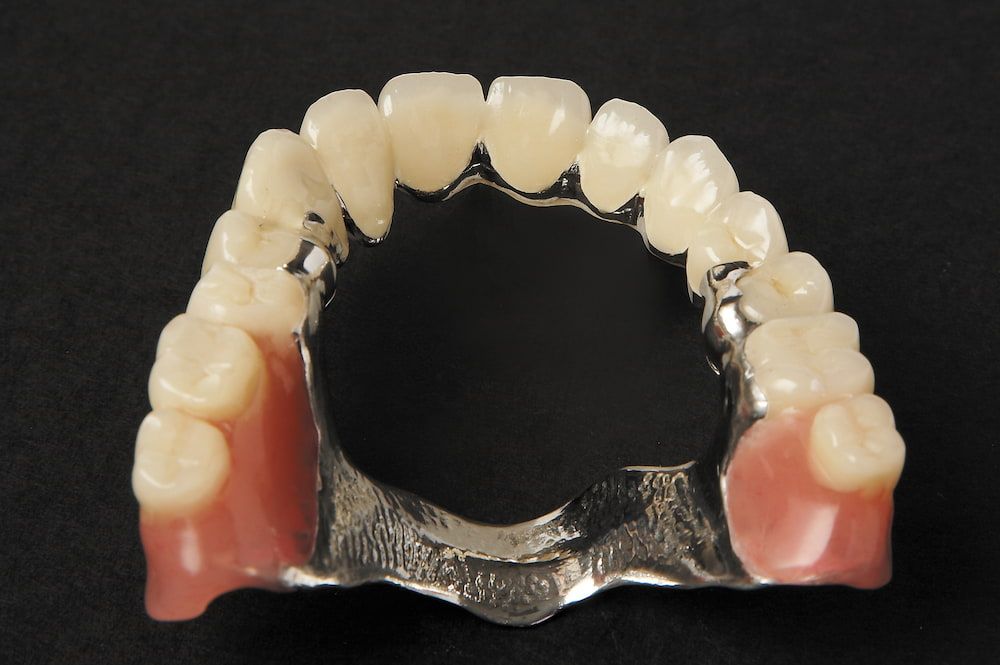
Replacing missing teeth plays a vital role in preserving your remaining natural teeth and maintaining oral function. At New Horizons Dental in Port Douglas, we offer both complete and partial dentures designed to restore your smile and support day-to-day comfort.
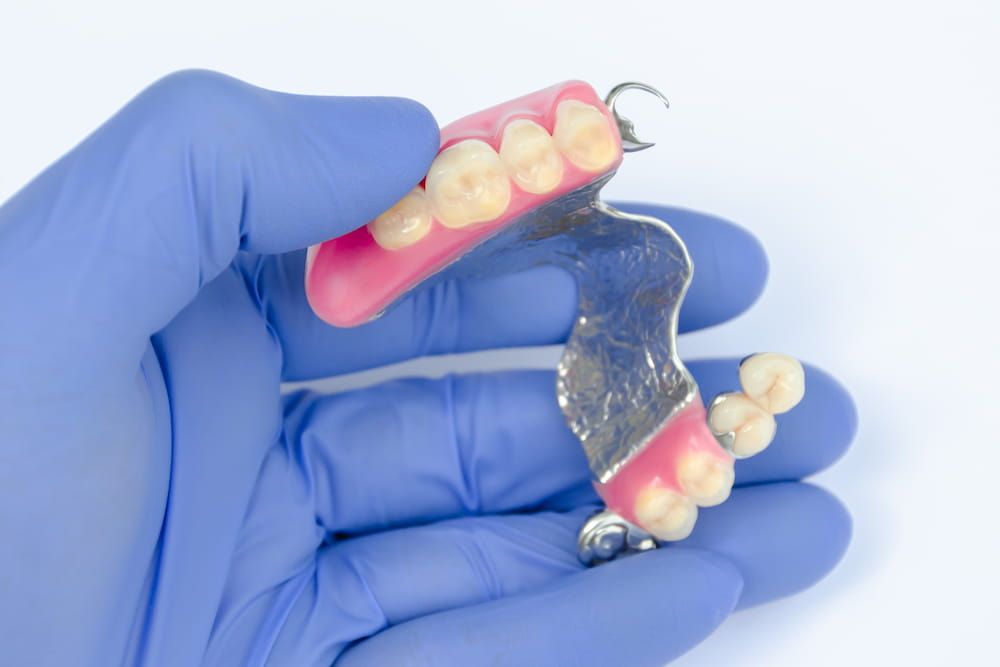
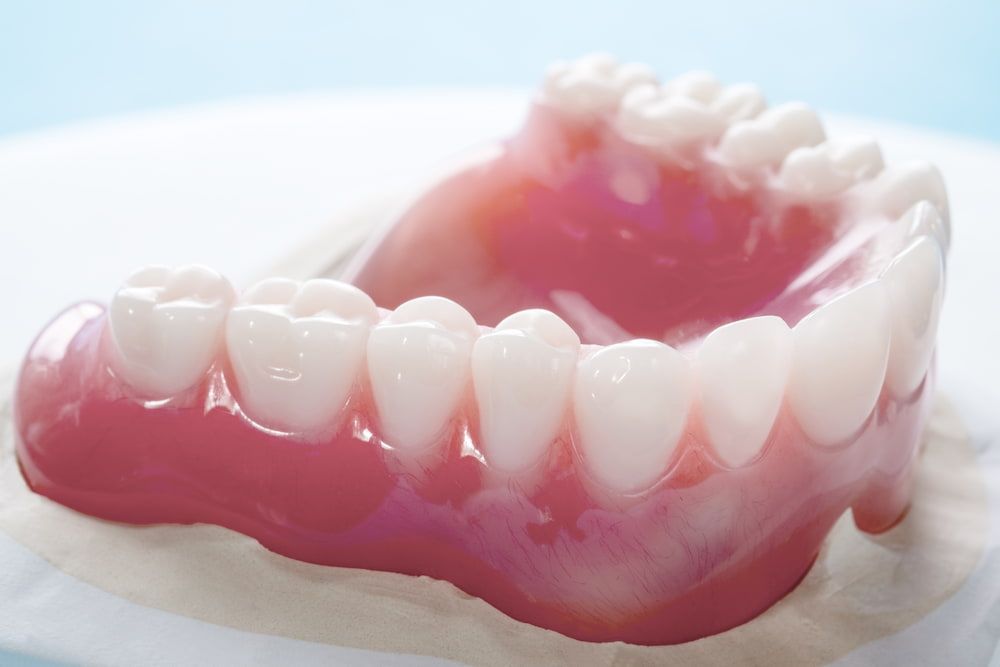
Partial dentures are used when one or more teeth are missing, while complete dentures replace all teeth in the upper or lower arch. Each set of dentures is carefully shaped to fit the contours of your mouth, helping you speak and eat with confidence. To discuss your options, call New Horizons Dental on (07) 4099 3232.
Get a Free Quote
Contact Us
Thank you for contacting New Horizons Dental.
We will get back to you as soon as possible.
Oops, there was an error sending your message.
Please try again later.
Need Help?
Frequently Asked Questions
What’s the difference between full, partial, and overdentures?
Full dentures replace all missing teeth in either the upper or lower jaw and rest directly on the gums. Partial dentures are used when only some teeth are missing and attach to remaining teeth for support. Overdentures, by contrast, are anchored to two or more dental implants placed in the jawbone. This added stability helps reduce movement, making them more comfortable and functional. Each option serves different needs, depending on how many teeth are missing and your overall oral health.
How long does it take to get used to new dentures?
Adjusting to new dentures can take a few weeks. Initially, they may feel bulky or unfamiliar, and tasks like eating and speaking might be slightly affected. As your tongue, cheeks and gums adapt, these sensations usually settle. Soreness or minor irritation can occur but often resolves quickly with follow-up care. Practising speech, eating soft foods, and wearing your dentures consistently will help speed up the adjustment. Your dentist can make small adjustments to improve comfort during the transition period.
Are implant-supported dentures more comfortable than traditional dentures?
Implant-supported dentures, or overdentures, are typically more comfortable than traditional full dentures. Because they’re anchored to titanium implants placed in the jaw, they provide greater stability and reduce movement during chewing or talking. This improved fit often results in fewer sore spots, less reliance on adhesives, and enhanced confidence in daily activities. Overdentures also help preserve bone in the jaw, supporting facial structure and long-term oral health. Many patients find they feel more natural and easier to manage than removable dentures.
Stability & Comfort
Improved Fit with Overdentures
A significant advancement in denture technology is the overdenture—an option that offers greater stability by attaching the denture to two or more dental implants. These titanium mini implants can be placed under local anaesthetic, and patients often report the procedure to be straightforward and gentle.
The result is a secure and comfortable fit that reduces movement, especially during eating or speaking. Overdentures can even be adapted from existing full dentures, making them a flexible and cost-effective upgrade. A routine dental examination can help determine if this treatment is suitable for you.
Personalised Care
Choosing the Right Option
Selecting the right denture solution depends on your current oral health, preferences, and long-term goals. Some patients benefit most from traditional full or partial dentures, while others find improved function and comfort with implant-supported options. Your dentist will assess the condition of your gums, bone structure, and remaining teeth to help guide the decision.
Regardless of the type, modern dentures are made to look natural and feel secure, with attention given to bite alignment and facial support. The goal is to restore both appearance and function in a way that fits your needs.