
New Horizons Dental
Dental Bridges in Port Douglas
Fully accredited and locally owned, New Horizons Dental provides reliable, professional care with a clear focus on patient wellbeing.
Fixed Tooth Replacement
Dental Bridges in Port Douglas
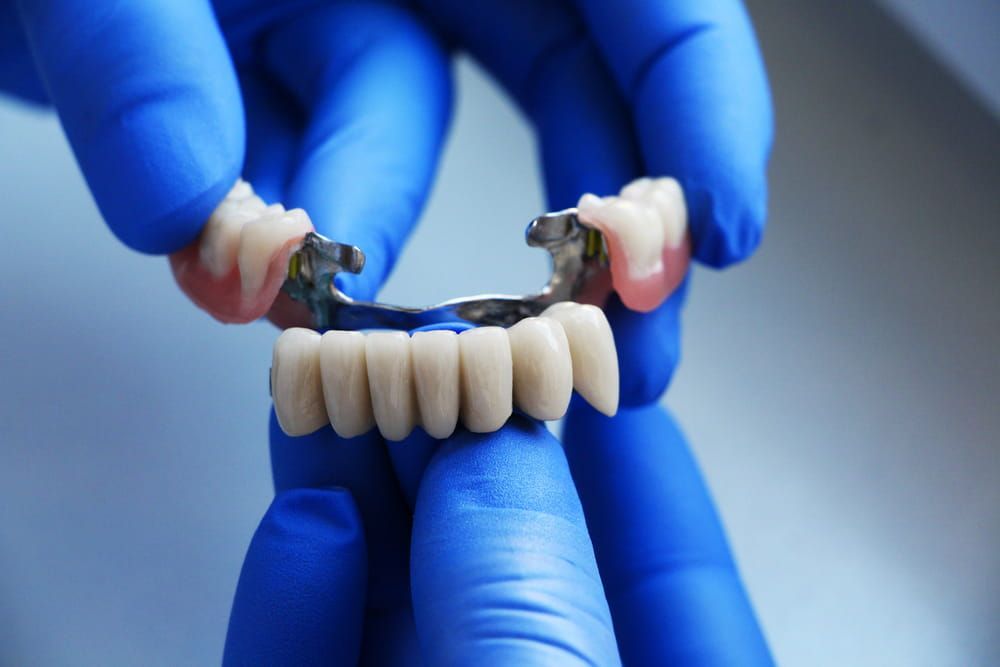
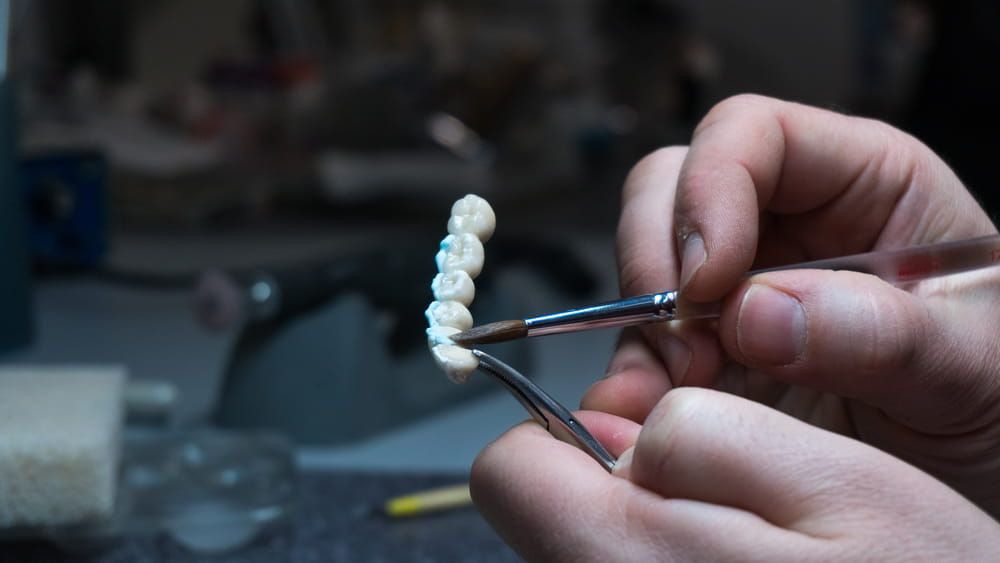
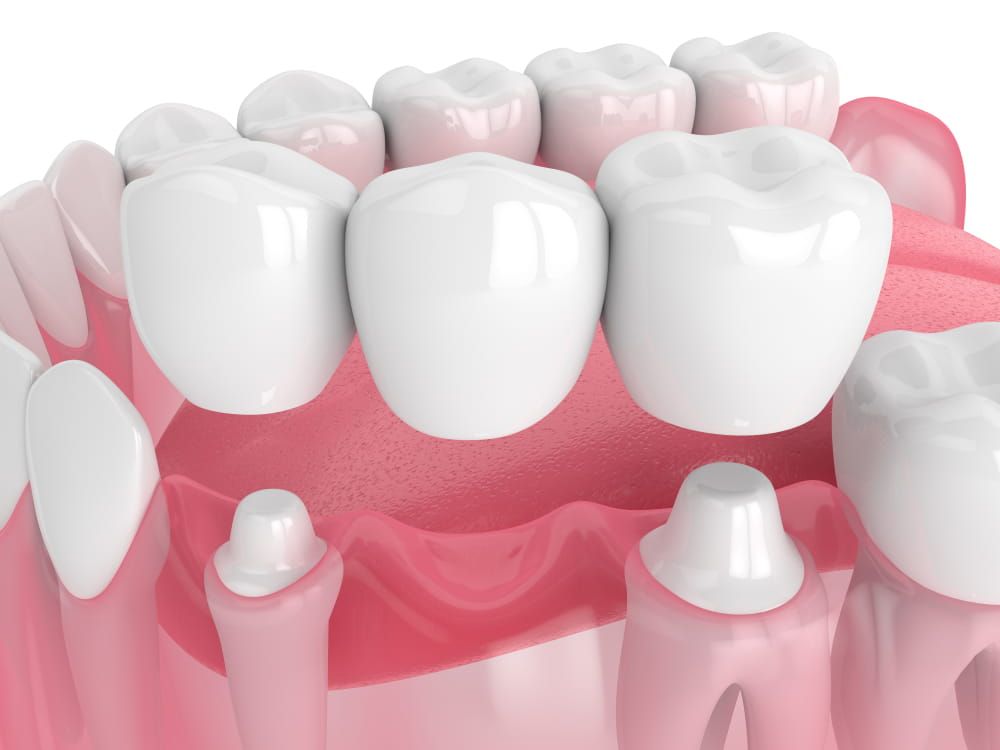
A dental bridge replaces a missing tooth using a ceramic crown that is supported by the adjacent teeth. The result is a strong, durable and natural-looking restoration. This type of treatment requires minimal visits and is particularly beneficial when neighbouring teeth need structural support.
At New Horizons Dental in Port Douglas, bridges are carefully designed to match your existing teeth in both shape and shade, restoring function and stability to your bite. If you’re considering tooth replacement options, call us on (07) 4099 3232 to schedule an assessment.
Get a Free Quote
Contact Us
Thank you for contacting New Horizons Dental.
We will get back to you as soon as possible.
Oops, there was an error sending your message.
Please try again later.
Need Help?
Frequently Asked Questions
What is the difference between a bridge and an implant?
A dental bridge and a dental implant both replace missing teeth, but they function in different ways. A bridge uses two crowns on the neighbouring teeth to support a ceramic tooth in the middle, forming a fixed restoration. This approach is often used when the adjacent teeth already need treatment or reinforcement. In contrast, a dental implant is placed directly into the jawbone and supports a crown without relying on nearby teeth. Implants preserve more of your natural tooth structure, while bridges may be preferred in cases where quicker treatment or fewer surgical procedures are desired. Your dentist will help determine the most suitable option based on your oral health, bone condition, and treatment goals.
How long does a dental bridge last?
With good care, a dental bridge can last between 10 and 15 years, and in some cases even longer. The durability of a bridge depends on how well you care for it, including daily brushing, flossing (especially around and under the bridge), and regular dental check-ups. It’s important to keep the supporting teeth and gums healthy, as they provide the foundation for the bridge. Dietary habits, bite pressure, and whether you grind your teeth can also impact longevity. Your dentist will monitor the bridge during routine visits to ensure it remains secure and functional over time.
Is getting a bridge painful?
The process of receiving a dental bridge is generally straightforward and well tolerated. Local anaesthetic is used when preparing the supporting teeth, so you should not feel pain during the procedure. After the initial appointment, you may experience mild sensitivity or tenderness in the gums or surrounding teeth as your mouth adjusts. This discomfort typically subsides within a few days and can be managed with over-the-counter pain relief if needed. Once the final bridge is placed, it should feel stable and comfortable, restoring your ability to chew and speak effectively.
Restoring Function
How a Bridge Works
A bridge is anchored by placing crowns on the healthy teeth on either side of the gap. These crowns are bonded to an artificial tooth that fills the space, creating a continuous restoration. Not only does this restore chewing function and appearance, but the crowns also help protect and strengthen the supporting teeth.
A well-fitted bridge can help prevent nearby teeth from drifting and maintain bite alignment. This makes it a reliable solution for patients seeking a fixed alternative to removable dentures.
Alternative Options
When a Bridge May Not Be Suitable
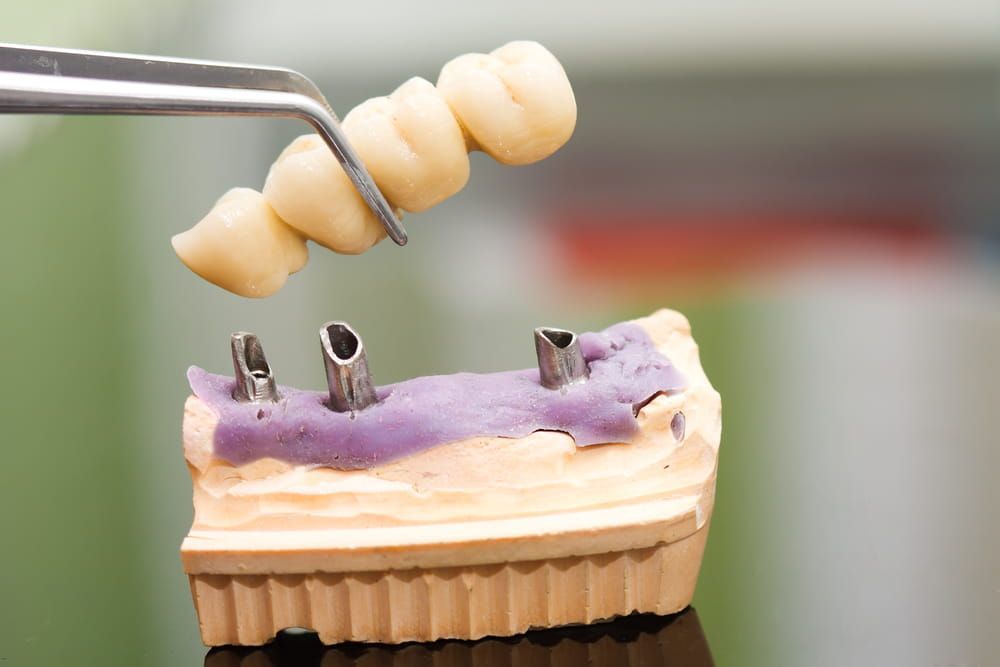
While dental bridges are a practical option for many patients, they’re not suitable in every case. If the neighbouring teeth are structurally sound and free of fillings, preparing them for crowns may not be ideal. In such cases, a dental implant may be a more conservative option, replacing only the missing tooth without affecting adjacent teeth.
Your dentist will assess the condition of your teeth, gums and bone support to help determine which approach best suits your needs, goals and overall oral health.